

 See My Latest Article on HelloNation
Can Ballroom Dancing Be Learned Without a Partner?
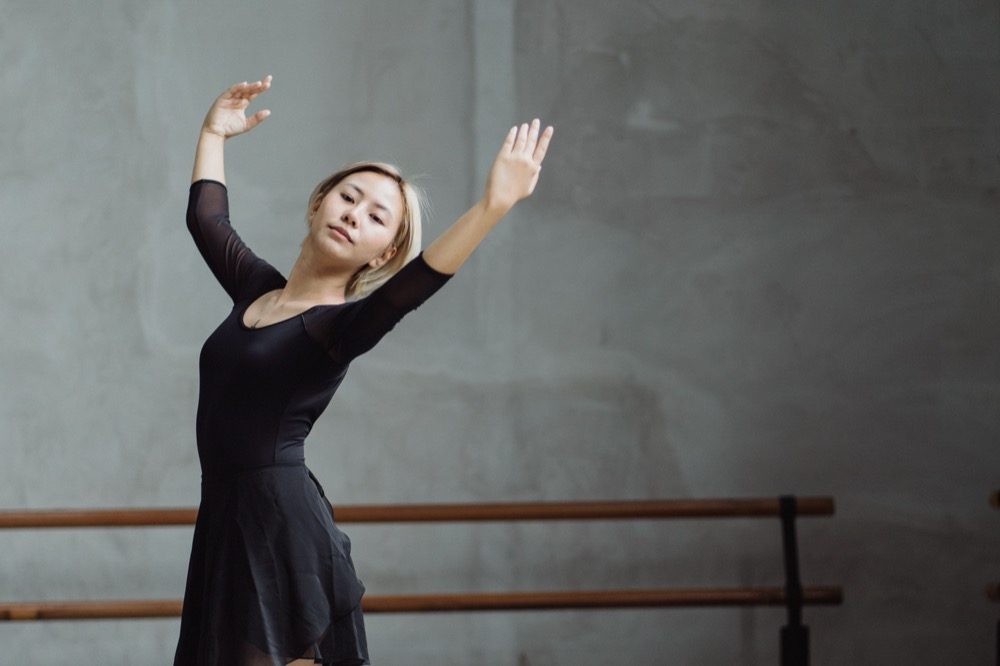
Yes, ballroom dancing can be learned without a partner—especially at the beginner and intermediate levels. Many residents in Williamsville, NY are curious about joining dance classes or trying new hobbies but hesitate because they don’t have someone to bring along. Fortunately, ballroom dance education is designed to be inclusive, allowing individuals to build skills on their own before ever needing a partner.
What Skills Can Be Practiced Solo?
Dancers can focus on several foundational ballroom techniques independently:
- Footwork: Understanding the sequence and technique of steps for dances like the waltz or foxtrot.
- Timing: Practicing movement in time with various musical rhythms, essential for partner synchronization.
- Frame and Posture: Developing a strong dance posture and learning how to “hold a frame” with invisible or imagined partners.
- Spins, Turns, and Balance: Many steps in Latin and ballroom dancing rely on balance and precise turning, which can be improved with solo practice.
Dance instructors often encourage students to spend time rehearsing these elements alone, reinforcing muscle memory and confidence.
How Do Solo Ballroom Classes Work?
Classes in Williamsville welcoming solo dancers may focus on “lead and follow” drills without fixed partners. Teachers demonstrate both leader and follower roles, giving participants the opportunity to try each side. Dancers typically rotate, allowing experience with different partners if other solo learners are present.
In the absence of partner rotation, instructors may use mirrors and encourage students to visualize their dance routines or practice with an imaginary partner.
Are There Advantages to Learning Without a Partner?
Beginning ballroom lessons alone has its benefits:
- Individuals can learn at their own pace, focusing on parts that challenge them most.
- Switching between leader and follower roles deepens understanding of the overall dance.
- Solo learning builds independence and adaptability, useful for social dance settings.
People often discover that initial solo practice helps them become stronger, more confident partners later.
What Challenges Might Solo Ballroom Learners Face?
Learning by oneself can sometimes feel less social and make certain dance elements—like connection and nonverbal cues—harder to master without live feedback. Practicing close dance holds or synchronizing nuanced movements becomes easier once a partner is involved.
However, most of these skills can be introduced through class exercises, and social dances or practice sessions offer chances to work with partners if desired.
What Options Exist Locally for Solo Dancers Seeking Ballroom Experience?
Residents in the area have options to join group classes, where solo attendance is commonplace. Many group classes are structured so no partner is required—dancers rotate throughout the class, or instructors choreograph movements designed for individuals.
Local community centers, seasonal workshops, or specialty classes sometimes offer dance nights or socials—a low-pressure way to meet other solo dancers to practice with, if and when ready.
Is Practicing at Home Effective for Ballroom Fundamentals?
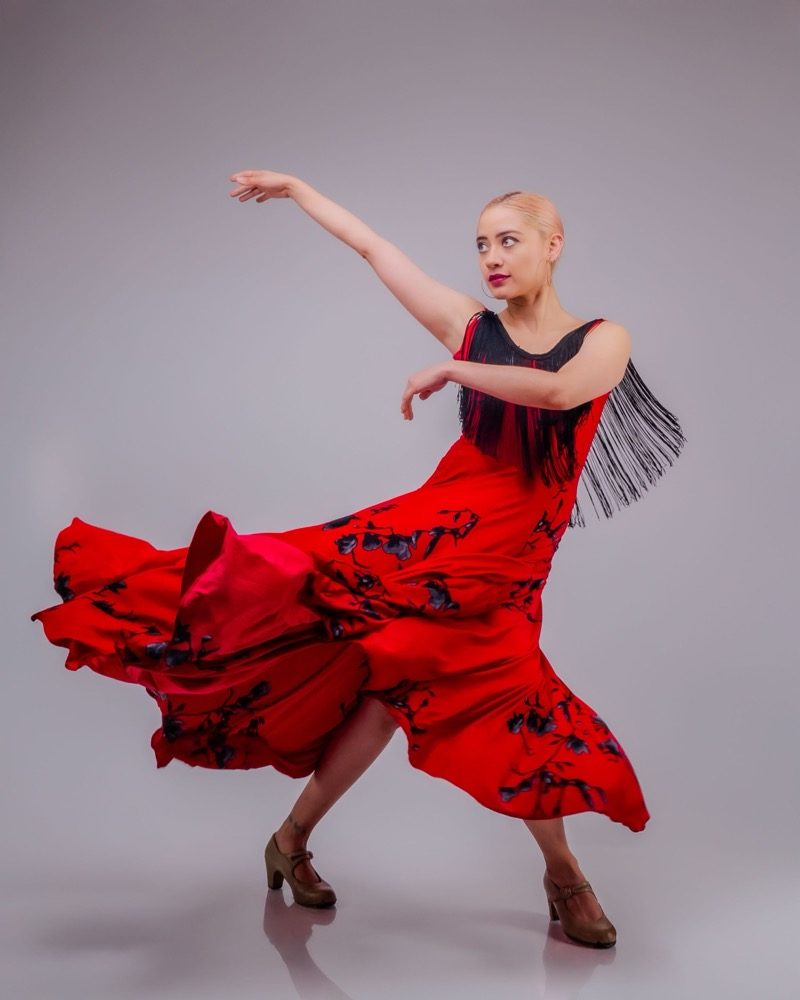
Home practice is often recommended for learning steps, perfecting arm styling, or improving strength and flexibility. Simple adjustments like clearing a space, using a mirror, and following online instructional videos can help reinforce movements.
Weather in Williamsville, with colder months limiting outdoor activities, may encourage residents to turn to indoor hobbies like dance practice. Practicing alone at home can be a constructive winter project, especially for those looking to stay active indoors.
Do Ballroom Styles Differ in How Solo-Friendly They Are?
Yes, certain ballroom and Latin dances are more accessible for solo practice:
- Rumba or cha-cha include figures and "shines" originally designed for individual dancers.
- Waltz and foxtrot steps can be practiced as walks and turns solo before introducing partner work.
- Line-dance inspired versions of ballroom (sometimes called “solo ballroom” or “ballroom fitness”) adapt classic dances for individuals, commonly offered in group fitness and recreation environments.
Common Misconceptions About Partnerless Ballroom Classes
A widespread myth is that a partner is required for all ballroom learning. In reality, many students in the Williamsville community start individually and meet others through classes. Dance programs are often structured to be friendly for people at all experience levels, including those beginning on their own.
Another misconception is that solo practice is less effective. In truth, it plays a major role in improving coordination, timing, and technique—providing a solid base for future partner dancing.
How Can Residents Know if Solo Ballroom Dancing Is Right for Them?
Those curious about ballroom dancing but hesitant to invite a friend or significant other can feel comfortable exploring dance alone. Many find that the solo journey unexpectedly builds confidence, forms new friendships, and introduces them to a vibrant local dance community.
Regardless of whether one plans on eventually dancing with a partner or not, starting solo can be a fulfilling way to experience the art and fitness of ballroom in the city.