

 See My Latest Article on HelloNation
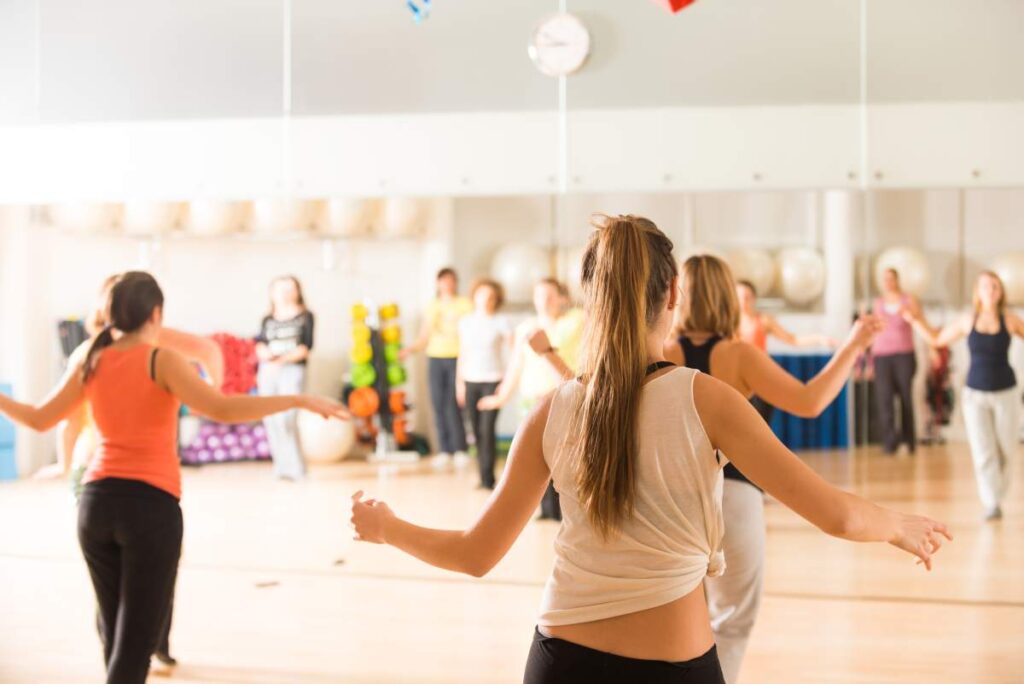
For many people in Williamsville, NY, the easiest ballroom dance to learn is the one with a comfortable rhythm, simple footwork, and room to practice without feeling rushed. Social foxtrot, rumba, and beginner waltz are often the most approachable starting points, while swing-style dances can be enjoyable for people who prefer a livelier pace.
The “easiest” choice depends on several factors: musical taste, balance, comfort with partner connection, and whether the goal is social dancing, general recreation, or wedding choreography. A dance that feels natural to one beginner may feel awkward to another.
Which ballroom dance is usually easiest for a complete beginner?
Social foxtrot is often a gentle introduction because its walking-based pattern is easy to understand. Beginners can focus on taking even steps, maintaining posture, and moving smoothly with a partner rather than memorizing complicated turns.
A basic foxtrot pattern commonly uses slow and quick steps, giving dancers time to hear the music and coordinate their movement. The dance also resembles natural walking, which can make the first lesson feel less intimidating.
Foxtrot is especially useful for people who want a practical social dance. It can be adapted to crowded floors, formal gatherings, and slower popular music.
Is rumba a good first Latin dance?
Rumba is one of the most accessible Latin dances for beginners because it uses a slower tempo and emphasizes controlled weight changes. Rather than relying on fast footwork, dancers learn to shift weight clearly, keep the upper body relaxed, and move with musical phrasing.
The basic steps are compact, which helps in smaller indoor spaces. That can be useful during colder months, when many local households spend more time practicing indoors rather than outdoors.
Rumba does require patience. Beginners sometimes try to exaggerate hip movement before learning how the hips naturally respond to weight transfer. Good technique starts with balanced steps and relaxed knees; stylized hip action develops gradually.
Why is the waltz approachable for some learners?
The waltz can be a good beginner dance because its timing is consistent and its rise-and-fall movement creates a clear sense of rhythm. The familiar count of “one, two, three” helps many learners organize their steps.
A basic box step introduces forward, side, and closing movements. Once that pattern feels secure, dancers can add simple turns and travel around the floor.
The waltz may require more floor space than rumba or foxtrot. Beginners should learn to share the line of dance, avoid sudden stops, and leave room between couples. These habits matter in community dance settings and during formal events where several pairs may be moving at once.
What about swing and East Coast swing?
East Coast swing is often the easiest choice for people who enjoy upbeat music and energetic movement. Its basic pattern is repetitive, and the rhythm can feel intuitive once the pulse is established.
Swing is also forgiving in informal settings. Small variations in footwork can still look and feel enjoyable, provided both partners maintain a steady rhythm and communicate clearly.
The main challenge is that beginners may move too quickly or use too much arm strength. A relaxed connection is more useful than pulling, pushing, or trying to create large turns. Comfortable shoes and a floor with enough traction can also make a noticeable difference.
Is tango difficult for beginners?
Tango is not necessarily too difficult for a first dance, but it usually asks beginners to manage more details at once. Posture, directional changes, pauses, and partner connection are central to the style.
The dance can feel appealing to learners who enjoy dramatic music and deliberate movement. However, the close attention required for walking technique and navigation may make it less immediately comfortable than foxtrot or rumba.
A simplified beginner tango can still be taught successfully. It is usually more productive to learn a small number of clear patterns than to attempt advanced figures before basic walking and balance are reliable.
Which dance is best for wedding choreography?
For a wedding first dance, the easiest style is usually a slow foxtrot, rumba, or simplified waltz. These dances allow a couple to use a short sequence of steps, add gentle turns, and remain connected without needing advanced footwork.
The song choice matters as much as the dance style. A song with a steady beat and predictable phrasing is easier to choreograph than one with irregular pauses or frequent tempo changes.
A practical wedding routine may include:
- A simple opening pose
- A basic traveling or box pattern
- One or two turns
- A pause or musical accent
- A comfortable ending position
A choreographed routine does not need to contain many figures. Repeating a few movements with confidence often looks more polished than attempting a long sequence that is difficult to remember.
How should beginners choose between ballroom and Latin dances?
Music preference is a useful starting point. People who enjoy smooth, lyrical songs may prefer foxtrot or waltz. Those drawn to expressive Latin rhythms may enjoy rumba. Dancers who like lively, rhythmic music may feel more comfortable with swing.
Physical comfort also matters. Beginners with limited knee, hip, or ankle mobility may prefer compact dances with controlled movement. Those who enjoy walking and turning may appreciate foxtrot or waltz, while people who prefer staying mostly in place may find rumba easier.
The following questions can help narrow the choice:
- Do you prefer slow and graceful movement or faster rhythmic steps?
- Are you comfortable traveling around a shared floor?
- Would you rather learn a repeating pattern or several small variations?
- Is your goal social dancing, exercise, performance, or wedding choreography?
- Do you feel more confident practicing with a partner or alone?
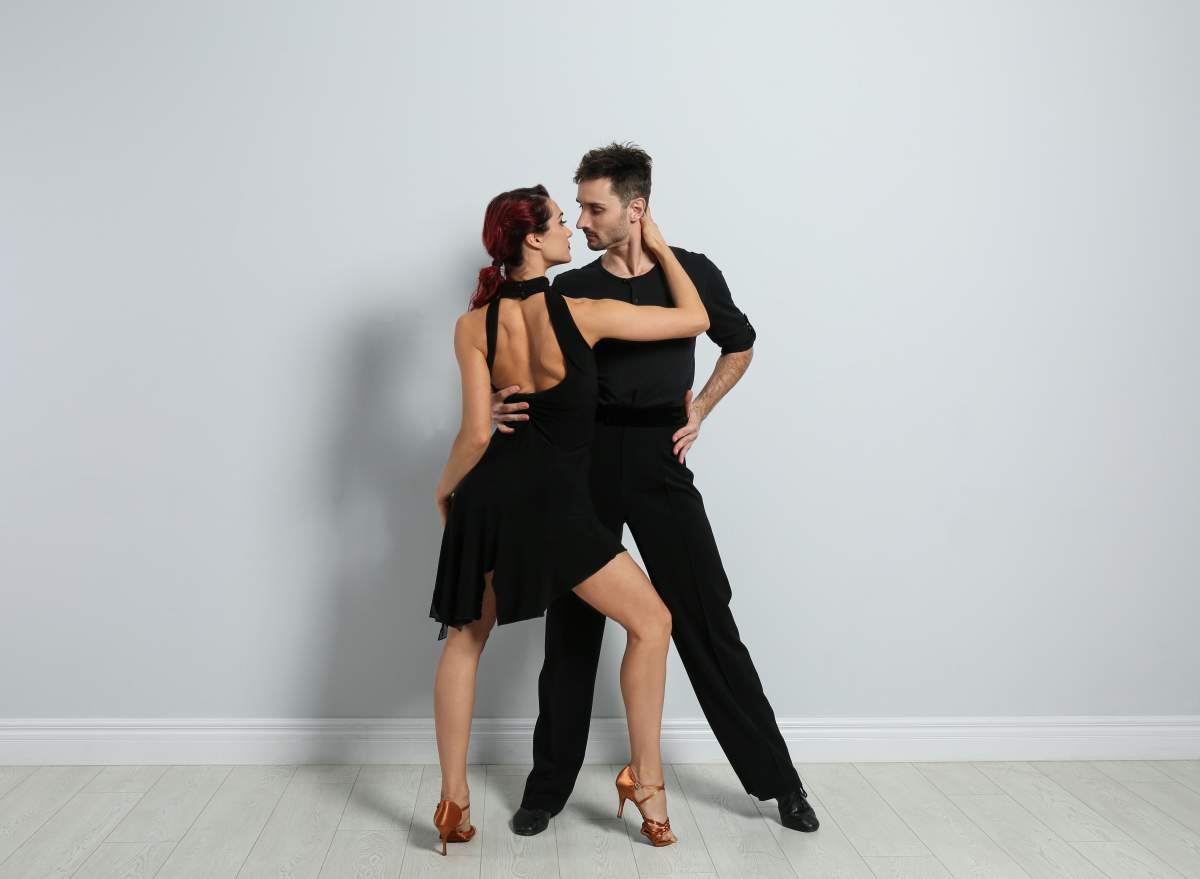
There is no requirement to select only one style. Learning basic skills from one dance often improves balance, timing, posture, and partner awareness in others.
What makes a ballroom dance difficult for beginners?
The dance itself is only part of the challenge. Difficulty can increase because of fast music, crowded floors, complicated choreography, uncomfortable footwear, or unclear partner communication.
Common beginner obstacles include:
- Trying to memorize too many steps at once
- Looking down continuously at the feet
- Holding the body too rigidly
- Taking steps that are too large
- Moving ahead of the music
- Expecting both partners to learn at the same speed
A small practice area is enough for rumba or basic wedding choreography. Foxtrot and waltz require more attention to direction and floor space, particularly when several couples are moving at once.
In Williamsville, seasonal weather can also affect practice habits. Snow, rain, and icy conditions may make indoor practice more practical for parts of the year. A clear section of a living room, basement, or other level indoor space can support basic timing and weight-transfer exercises, although furniture and loose rugs should be moved out of the way.
What should a first lesson focus on?
A useful first lesson should establish rhythm, posture, weight changes, and one or two basic patterns. Beginners do not need an extensive vocabulary of steps immediately.
The most transferable skills are:
- Hearing the beat before moving
- Keeping steps small and controlled
- Maintaining a comfortable frame
- Communicating direction without force
- Recovering calmly after a mistake
For most new dancers, social foxtrot is the safest starting point for smooth ballroom movement, rumba is a strong choice for a slower Latin style, and East Coast swing is a good option for energetic music. A beginner waltz is also highly practical, particularly for formal events and wedding settings.
The best first dance is the one that feels enjoyable enough to practice consistently. Progress usually comes less from choosing the “perfect” style than from repeating simple movements with good timing, relaxed posture, and mutual respect between partners.