

 See My Latest Article on HelloNation
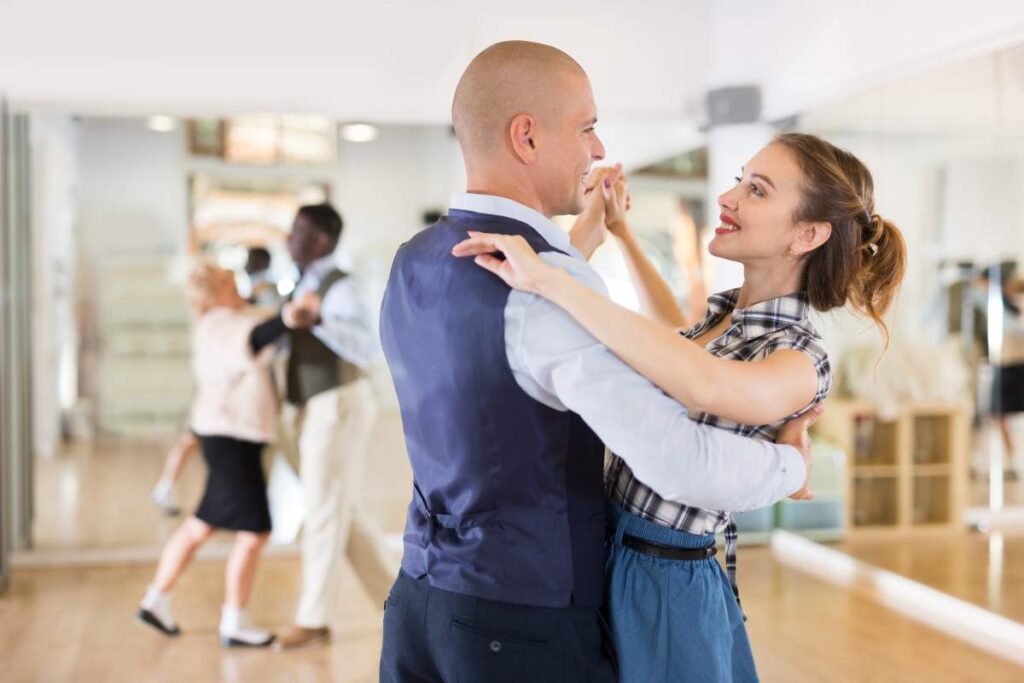
Ballroom dance clothing should allow comfortable movement, provide light support, and stay secure while you turn, step, and rotate. For most lessons, neat casual clothing and smooth-soled shoes are more practical than formal dancewear.
The right outfit may vary depending on whether the lesson involves ballroom styles such as waltz and foxtrot, Latin dances such as salsa and cha-cha, or wedding choreography. Comfort matters in every case, but clothing can also affect balance, confidence, and the ability to practice technique.
What should a beginner wear to a ballroom dance lesson?
A beginner can usually wear clothing that is clean, comfortable, and easy to move in. There is no need to purchase specialized dancewear for a first lesson.
Good starting choices include:
- Stretchable pants, leggings, or neatly fitted athletic trousers
- A comfortable shirt, blouse, or lightweight sweater
- A skirt or dress that allows free movement around the legs
- Low-profile layers that can be removed if the studio becomes warm
- Socks or shoes that allow the feet to move without sticking to the floor
Clothing should not be so loose that it catches on an arm, hand, or partner. Extremely tight clothing can also make it difficult to take longer steps, bend the knees, or maintain a relaxed posture.
A useful test is to raise both arms, take a large step, rotate the torso, and bend the knees. If the outfit restricts any of those movements, it may not be the best choice for a dance lesson.
What shoes work best for ballroom dancing?
Shoes should be secure, flexible, and smooth enough to let the feet pivot. The ideal choice depends on the floor and the dance style, but most students should avoid shoes with heavy rubber soles.
Practical options may include:
- Clean indoor dance shoes with a smooth sole
- Lightweight flats with a stable, low heel
- Low-heeled dress shoes that fit securely
- Flexible shoes with a closed or supported upper
Avoid loose sandals, flip-flops, bulky athletic shoes, work boots, and shoes with deep traction patterns. These can make turning difficult or cause the foot to catch unexpectedly.
Very high heels are usually a poor choice for a first lesson. A lower, stable heel makes it easier to maintain balance while learning weight changes, posture, and foot placement. Anyone wearing heels should choose a pair that stays firmly on the foot and does not slide during turns.
For local residents, indoor footwear is especially practical during the colder months. Snow, salt, and moisture tracked indoors can affect both cleanliness and floor safety, so outdoor winter boots should generally be removed before dancing.
Should ballroom dance clothing be tight or loose?
Clothing should be neither restrictive nor excessively loose. A close-to-the-body fit often makes posture and alignment easier to observe, but movement should never be limited.
For example, a fitted T-shirt with stretch trousers may work well for a beginner. A flowing skirt can also be suitable, provided it does not tangle around the legs. Wide sleeves, long scarves, and oversized sweaters may interfere with hand positions or become distracting during partnered movement.
Dancers should also consider the back and shoulders. Ballroom technique often involves an upright torso and open chest position. A shirt that pulls across the shoulders or rides up when the arms are raised can make it harder to maintain proper form.
What should you wear for Latin dance lessons?
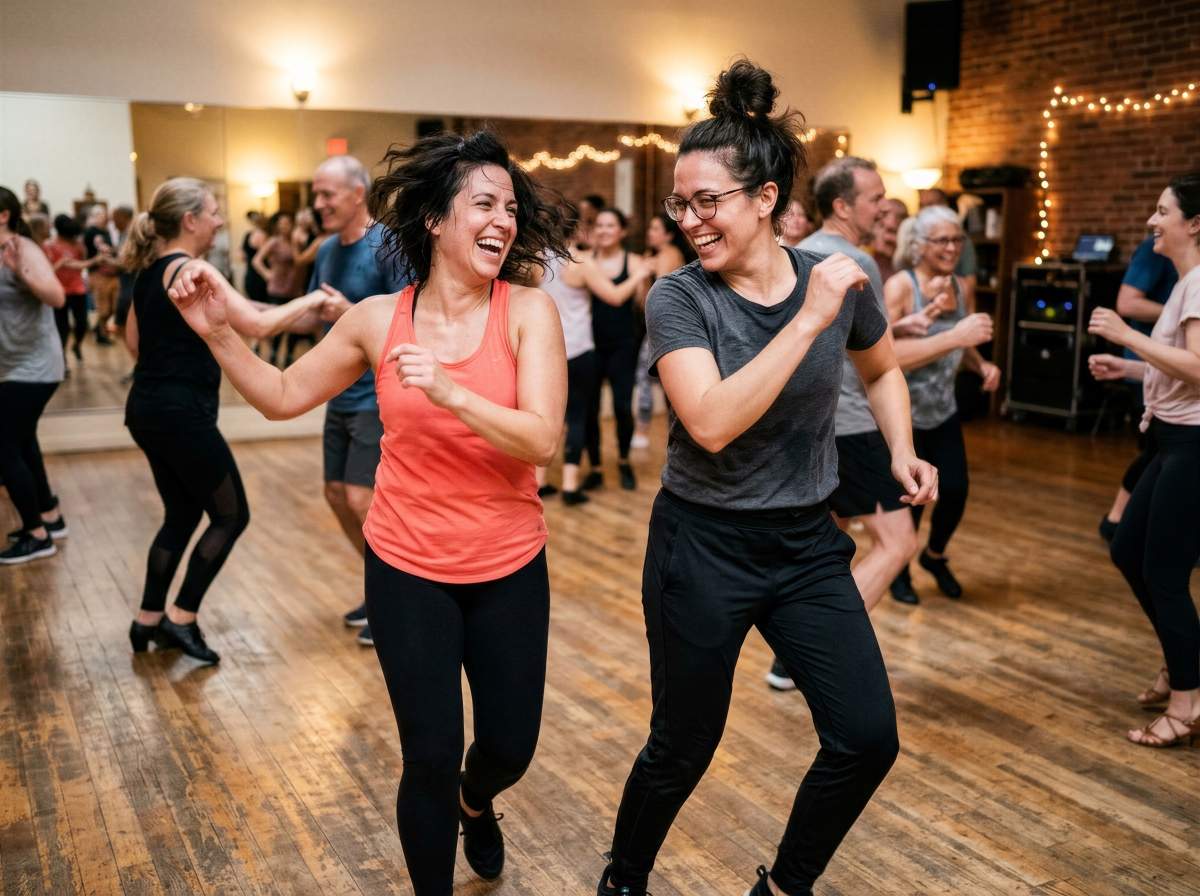
Latin dance generally involves quicker weight changes, hip action, bends in the knees, and more frequent turns. Clothing should therefore stay secure while allowing the legs and hips to move freely.
Comfortable choices include stretch pants, fitted tops, flexible skirts, and lightweight dresses. A skirt should not be so narrow that it limits side steps or lunges. If it is loose or flared, wearing secure underlayers can provide additional comfort during movement.
For Latin dance, footwear is particularly important. Shoes should permit controlled pivoting without making the dancer feel unstable. Beginners may want to start with supportive flats or low heels before trying specialized Latin shoes.
A common misconception is that Latin dance requires revealing clothing. It does not. Coverage and style are personal choices; the practical requirements are freedom of movement, secure fit, and comfort.
What should you wear for ballroom styles such as waltz or foxtrot?
Waltz, foxtrot, and similar ballroom dances often use longer traveling steps, rising and lowering actions, and a more upright frame. Clothing should make it easy to walk backward, take extended steps, and keep the upper body relaxed.
A collared shirt, blouse, knit top, dress, skirt, or comfortable trousers can all work. Avoid garments with stiff fabric around the waist or shoulders, since these may interfere with posture and frame.
Shoes should glide enough for controlled movement but still provide stability. Heavy rubber soles may make it harder to perform smooth footwork, while completely slippery footwear can create its own balance problem. The goal is controlled movement rather than maximum slipperiness.
What should couples wear for wedding choreography?
For wedding dance lessons, couples should choose clothing that resembles the general shape and footwear of what they expect to wear on the wedding day, especially as the event approaches.
Early lessons can be done in comfortable practice clothes. Later, it may help to rehearse in:
- Dress shoes similar in height and shape to the wedding shoes
- A skirt or dress with a comparable length and fullness
- Trousers with a similar fit to the planned formalwear
- A shirt or top that allows the arms to move freely
- Accessories only if they will affect movement or balance
A long formal dress may change the way a person takes steps, turns, or moves backward. A suit jacket can restrict shoulder movement, and a raised heel can alter balance. These details are easier to address before the wedding day rather than during the event.
There is no need to wear the actual wedding outfit to every lesson. Rehearsal clothing should protect the garment while still helping the couple prepare for realistic movement.
What should you bring besides clothing?
A small dance bag can make lessons more comfortable. Useful items include a water bottle, an extra shirt, a clean pair of indoor shoes, and hair ties for securing long hair.
Some dancers also bring a small towel, especially for energetic Latin lessons or warm-weather practice. Jewelry should be limited. Long necklaces, large rings, dangling earrings, and bracelets may catch on clothing or scratch a partner.
Avoid strong fragrances as well. Ballroom and Latin lessons often involve close partner positions, and unscented or lightly scented personal care products are more considerate for everyone in the room.
What should you wear during Williamsville winters?
Cold-weather clothing is useful for traveling to and from a lesson, but it can become uncomfortable once dancing begins. Layering is often the simplest solution.
A lightweight base layer under a sweater or jacket allows dancers to adjust as they warm up. Heavy coats, thick scarves, and bulky sweaters should be stored safely before practice. Warm socks may be helpful before class, but dancers should change into footwear that permits proper movement.
During icy or snowy conditions, allow time to change out of wet footwear. Damp soles can affect traction and may leave moisture on the floor.
Is there a dress code for ballroom dance lessons?
Most introductory lessons do not require a formal dress code, but expectations can vary by class. The safest approach is to choose modest, movement-friendly clothing and clean indoor shoes.
If a lesson has a specific focus—such as wedding choreography, social Latin dancing, or performance preparation—the clothing requirements may be more specialized. When uncertain, practical attire is usually preferable to dressing formally.
The essential rule is simple: wear clothing that lets the body move naturally, shoes that support controlled steps, and layers that can be adjusted as the lesson progresses. The best outfit is the one that allows attention to remain on rhythm, connection, posture, and enjoyment rather than on uncomfortable clothing.