

 See My Latest Article on HelloNation
What Is Ballroom Dancing?
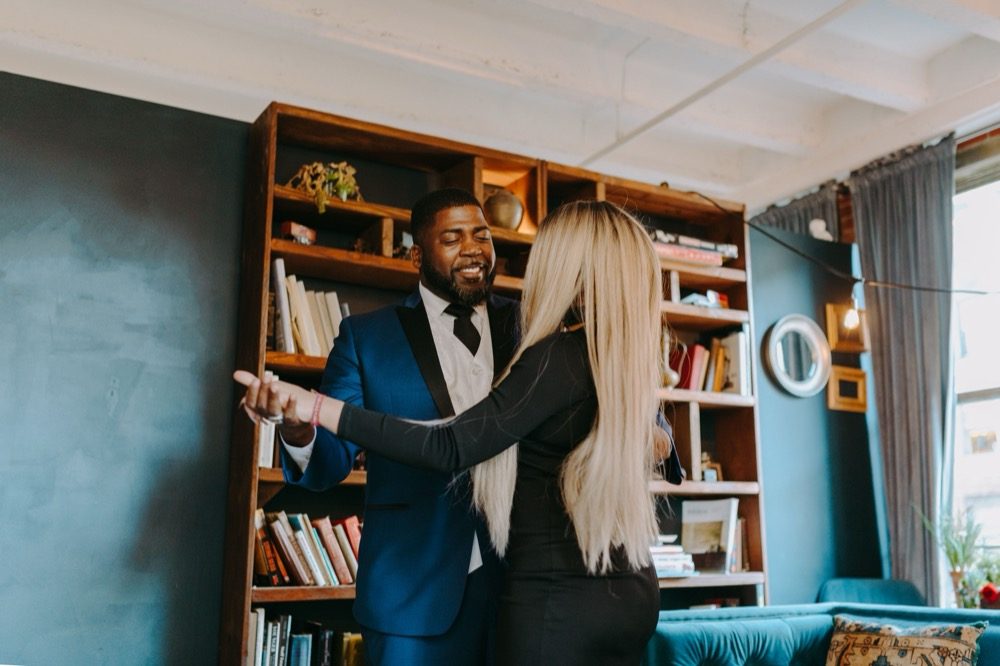
Ballroom dancing is a form of partnered dance enjoyed socially and competitively around the world, involving set steps, patterns, and timing. Dancers move together to music, often learning a structured sequence of movements, while emphasizing posture, coordination, and graceful communication between partners. Ballroom dance is both a sport and an artistic expression, offering physical activity, creativity, and social connection for people of all ages.
In Williamsville, this pastime is accessible through community spaces, social events, and organized classes geared toward different age groups and ability levels. Because it can be adapted to most dance floors—whether a school's multipurpose room, a community hall, or a home basement—ballroom dancing fits various local lifestyles and seasonal routines.
Which Dances Are Considered Ballroom?
Ballroom dancing generally refers to a set of recognized partner dances, grouped into Standard (or Smooth) and Latin (or Rhythm) styles. Each dance has specific steps, rhythm, and music type:
Standard/Smooth
- Waltz
- Foxtrot
- Tango
- Viennese Waltz
- Quickstep
Latin/Rhythm
- Cha Cha
- Rumba
- Samba
- Paso Doble
- Jive (or East Coast Swing)
Locally, many group and private classes introduce learners to several styles, regardless of the intended level or event, such as weddings or social gatherings.
Why Do People Start Ballroom Dancing in Williamsville?
Residents choose ballroom dancing for various reasons:
- Social interaction during the colder months
- Stress relief and creative exercise
- Mental stimulation through learning patterns and music
- Building confidence ahead of special events like weddings or anniversary parties
- Support for balance, posture, and flexibility, especially helpful for adults and older teens seeking gentle, joint-friendly movement
The area's frequent seasonal indoor gatherings provide a natural motivation for learning social dances that fit many community traditions and celebrations.
What Style of Ballroom Dance Is Best for Beginners?
For new dancers, certain ballroom styles are especially well-suited:
- Waltz: Known for its slow, flowing rhythm and simple footwork, the waltz is typically recommended for beginners. The basic box step is easy to memorize, and the dance promotes smooth, gliding movements that feel natural on most dance floors.
- Foxtrot: Characterized by its straightforward "slow-slow-quick-quick" pattern, foxtrot offers variety without intense speed, making it accessible for all ages.
- Rumba: If you’re interested in a Latin style, the rumba’s moderate pace and romantic character often appeal to learners. Its steps are clear and repetitive, aiding memory and confidence.
These dances are commonly included in local group lessons because they build core skills—such as balance, frame, and musical timing—that carry over to other styles if a dancer chooses to expand their repertoire.
Do Beginners Need a Dance Partner to Get Started?
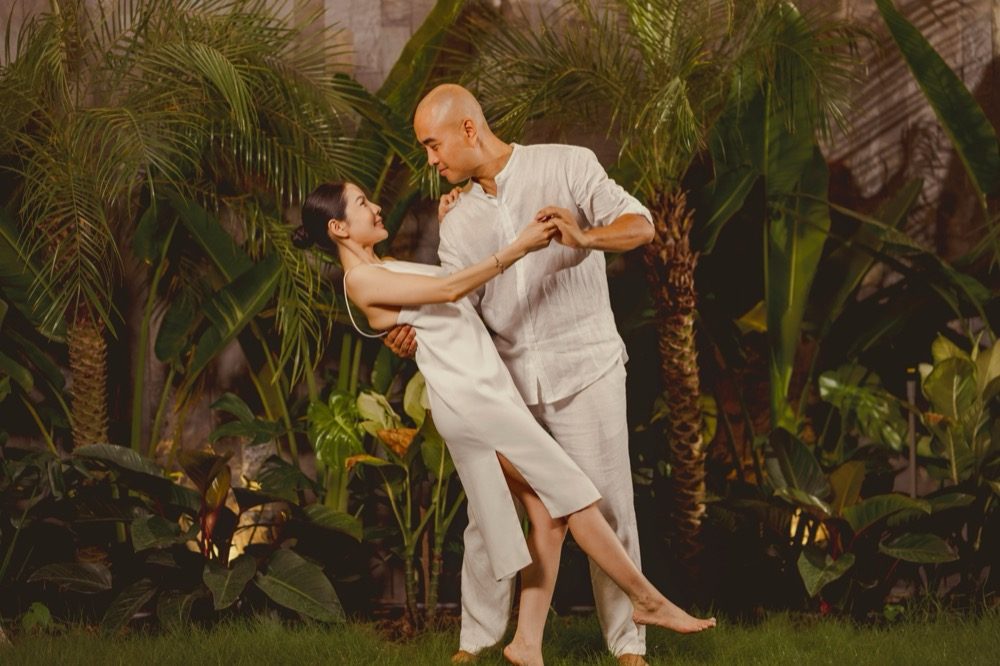
No partner is required for most introductory ballroom classes or workshops in the city. Many local programs rotate participants, allowing individuals to practice with multiple partners. This helps everyone learn at a comfortable pace and promotes a welcoming atmosphere for singles, couples, or friends exploring dance together.
Practicing alone at home is also beneficial, especially for memorizing patterns and building confidence before dancing with others.
What Should New Dancers Wear?
Ballroom dance does not require special outfits during beginner classes. Comfortable, smooth-soled shoes that stay securely on the feet are most important. Sneakers, boots, or sandals with grippy soles can hinder turning and sliding, so it's wise to choose simple dress shoes, flats, or closed-toe options.
Loose, flexible clothing—such as slacks and a shirt or a flowy skirt—is practical for movement and helps dancers focus on learning rather than wardrobe worries. Most community classes in Williamsville are casual, especially for first-time students.
How Do Ballroom Dance Lessons Work in the Community?
Structured around small groups or occasional events, local ballroom instruction typically involves:
- Warm-up and introduction to basic steps
- Practicing foundational movements with and without music
- Gradual combinations, building sequences, and gentle partner switching
- Constructive feedback focused on rhythm, posture, and comfort
During long winters and rainy months, these sessions provide opportunities for safe, active indoor fun and encourage connections across generations or social groups.
Seasonal showcases, open dances, or informal competitions sometimes cap off series, allowing beginners to enjoy performing what they've learned—though public performance is always optional.
What Are Common Misconceptions About Ballroom Dancing?
Some area residents believe ballroom dancing is only for formal events, youth, or those with prior dance training. In reality:
- The activity welcomes every age, background, and fitness level
- Classes frequently feature casual music selections, not just traditional orchestral tracks
- Ballroom dance emphasizes personal progress, not competition or perfection
Another frequent misconception is that ballroom dancing requires elaborate moves or expensive attire. Most instruction for beginners relies on simple, repeatable patterns and everyday clothing, making it easy for community members to participate.
How Can Local Culture Shape the Ballroom Experience?
Williamsville’s blend of family-oriented living, seasonal celebrations, and active community organizations makes ballroom dance particularly inviting. Dance events often serve as healthy entertainment during winter or a unique way to celebrate life moments across multiple generations.
Local holiday dances, school events, and nonprofit fundraisers may include basic ballroom elements—offering residents positive outlets for movement, conversation, and shared experience.