

 See My Latest Article on HelloNation
What Is the Core Difference Between Ballroom Dance and Latin Dance?
Ballroom dance and Latin dance are often mentioned together in studios and classes, but they refer to distinct categories of partner dancing, each with its own origins, technique, and style. In simple terms, ballroom dances are typically smooth, gliding, and elegant, while Latin dances are recognized for their rhythm, intricate hip movements, and expressive flair.
In Williamsville, NY, residents interested in partner dance will find that most styles taught in community settings fall into one of these two main groups. Understanding their unique characteristics can help beginners choose a style that matches their interests, body type, and goals—whether it’s for recreation, socializing, or special occasions like weddings.
Where Did Each Dance Style Originate?
Ballroom and Latin dances developed in different regions and respond to different traditions:
- Ballroom: Originated primarily in Western Europe during the 17th to 19th centuries, evolving in English, Austrian, and French courts before spreading worldwide. These dances were formalized for social occasions and grand balls.
- Latin: Grew out of the diverse cultures of Latin America and the Caribbean, blending indigenous dances with African rhythms and European influences. Latin dances tend to emphasize grounded movement and personal expression.
In Williamsville, dancers encounter both traditions through local dance studios, school programs, and recreational groups. The city’s seasonal events, such as indoor winter gatherings, sometimes feature ballroom’s refined style, while summer block parties and cultural fairs may showcase the vibrancy of Latin rhythms.
Which Dances Belong to Each Category?
Knowing which dances are considered “ballroom” versus “Latin” is useful for anyone deciding what to learn. Here are the most common types included in each:
Ballroom Dance Styles:
- Waltz
- Foxtrot
- Quickstep
- Viennese Waltz
- Tango (International Style)
Latin Dance Styles:
- Cha Cha
- Rumba
- Samba
- Paso Doble
- Jive
It’s common for newcomers to think of “ballroom” as covering all partner dances, but in structured dance settings—including local social dance nights and national competitions—the above definitions are used.
How Are Ballroom and Latin Dances Performed Differently?
The main differences lie in technique, connection, and motion.
Ballroom:
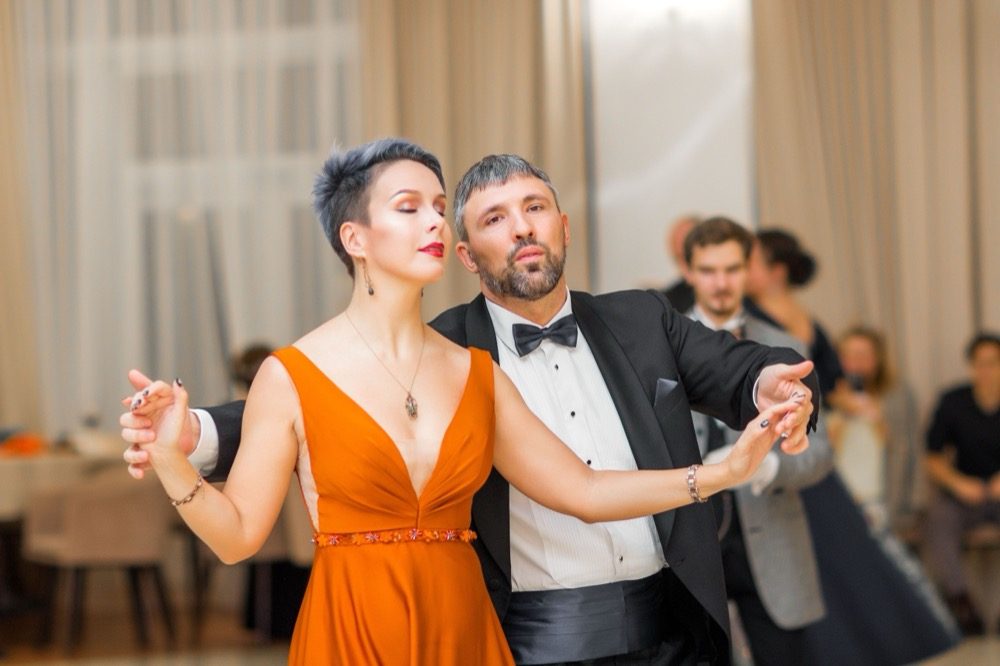
Begins with closed hold (partners stay connected), upright posture, and movements that glide smoothly across the floor. Dances like the Waltz have a sweeping, floating character; steps travel in a circular or linear pathway, often using the full area of a dance floor.
Latin:
Usually danced with more flexible or open frames; partners often connect through handholds or brief contact. Movements are more compact and often centered in the torso and hips. Latin dances favor sharp, accented rhythms and dynamic expression—Rumba and Cha Cha, for example, use prominent hip action and intricate footwork.
In local practice in Williamsville, ballroom is better suited for larger venues and events, given its expansive movement. Latin styles can be comfortably enjoyed in more casual, space-limited settings, such as home dance parties or small community rooms.
What Is the Role of Music in Each Style?
Music shapes the movement and feeling of every dance style.
- Ballroom music is typically orchestral—think waltzes, big band, or classic swing. The tempo is steady, guiding dancers through fluid, predictable sequences.
- Latin music is characterized by syncopated rhythms, lively percussion, and strong downbeats, reflecting the dance’s roots in street festivals and outdoor gatherings.
Williamsville residents may notice that certain local events, like winter galas, favor ballroom music for its formal tone, while neighborhood barbecues might play salsa or samba, encouraging more relaxed and communal styles of Latin dance.
What About Attire and Presentation?
Whether dancing for recreation or competition, the expected dress and overall presentation differ:
- Ballroom attire: Elegant gowns (for followers) and suits or tuxedos (for leaders); smooth-soled shoes appropriate for gliding; hair and makeup are classic and polished.
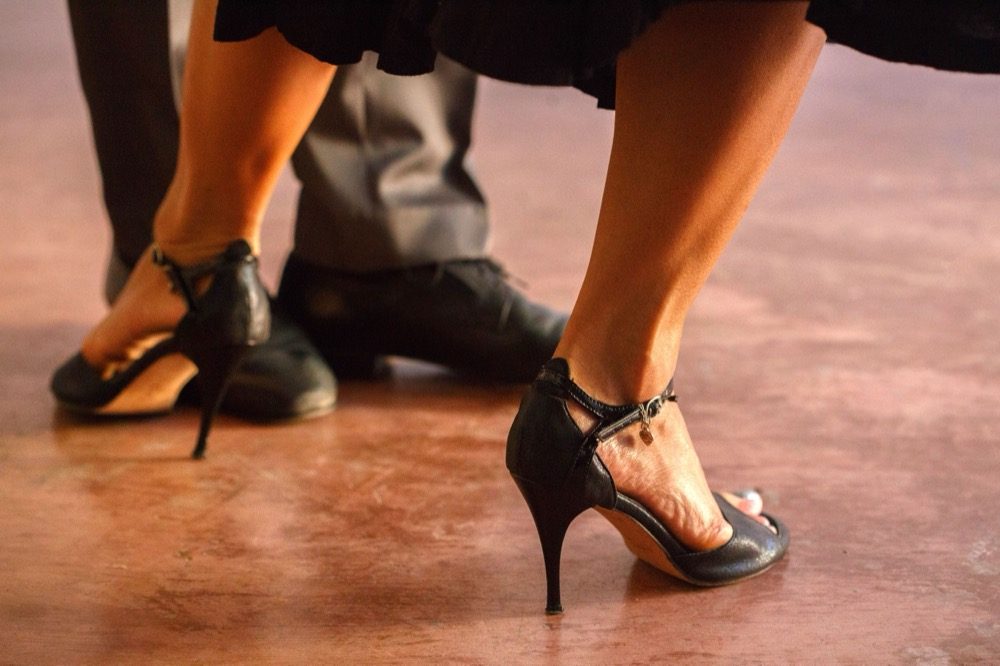
- Latin attire: Flirtier, with shorter skirts and bright colors or fringe; shoes with flexible soles to accommodate footwork; hair and makeup can be bold and dramatic.
For casual lessons or dance socials in Williamsville, personal comfort is most important, but those preparing for formal events or weddings in the area sometimes choose to embrace traditional styles to honor the spirit of each dance.
Does Each Style Offer Different Benefits?
Local residents sometimes wonder if one style is more athletic or social.
- Ballroom dancing improves posture, balance, and coordination and offers gentle cardiovascular exercise—especially beneficial during cold months when outdoor activities are limited.
- Latin dancing is often seen as a workout, involving core strength and stamina, making it popular for community members wanting a dynamic, upbeat form of fitness.
Both styles encourage meeting new people, reduce stress, and help develop confidence on the dance floor. Williamsville households looking to add activity to their routines may find either style a fun way to bond and stay active indoors—especially important with the city’s seasonal temperature swings.
Are There Misconceptions About Ballroom and Latin Dance?
One frequent misconception in the community is that ballroom is only for older adults and Latin dance only for the young. In fact, both are accessible to all ages and experience levels—children, teens, adults, and seniors regularly participate in local programs.
Another common mix-up is conflating “Latin dance” with social “Latin club dancing” (like salsa or bachata). In competitive or formal settings, Latin usually refers to the five international styles mentioned above—not all partner dances from Latin America.
Residents new to dancing may also think one style is easier for beginners. In truth, both categories offer entry-level routines, as well as advanced choreography for those seeking a challenge.
—