

 See My Latest Article on HelloNation
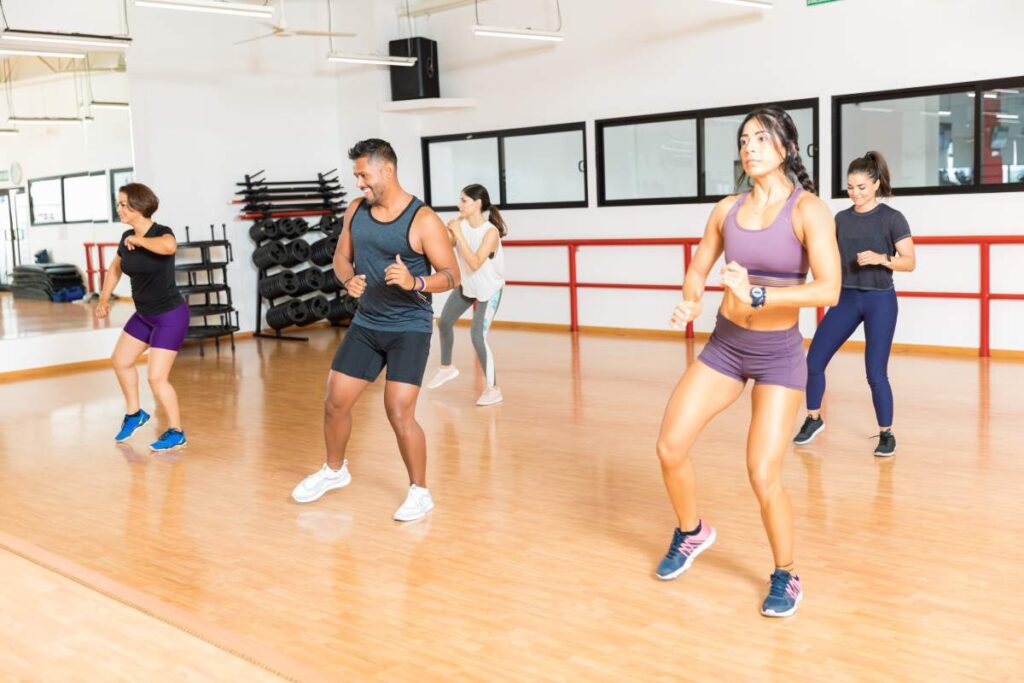
How long does it take to learn salsa dancing?
Most beginners can learn the basic salsa rhythm, footwork, and a simple turn pattern within four to eight weeks of consistent practice. Feeling comfortable dancing socially usually takes three to six months, while developing polished timing, styling, partner awareness, and improvisation may take a year or longer.
The timeline depends less on natural talent than on practice habits, instruction quality, musical familiarity, and how often a person dances with different partners. Salsa is accessible to beginners, but it combines rhythm, coordination, balance, communication, and quick decision-making.
What can a beginner expect to learn in the first month?
During the first month, many new dancers focus on the basic step, keeping time with the music, and learning how to change direction without losing balance. A beginner may also practice:
- The forward-and-back basic
- Side steps and weight changes
- Simple right and left turns
- Basic partner connection
- Counting music in sets of eight
- Stopping and restarting without confusion
The first few lessons can feel mentally busy because the feet, upper body, and listening skills are developing at the same time. It is normal to pause, lose the beat, or need a pattern repeated several times.
A useful early goal is not to memorize many combinations. It is to maintain a steady rhythm while completing a small number of movements comfortably.
How much practice is needed?
For most adults, one lesson or structured practice session each week, combined with short practice at home, can produce steady progress. Two sessions per week often help beginners improve more quickly because fewer skills are forgotten between practices.
A practical routine might include:
- Ten to fifteen minutes of basic steps several days per week
- Practicing turns slowly before adding music
- Listening to salsa music without dancing to identify the beat
- Reviewing foot placement and weight changes
- Dancing with more than one partner when possible
Short, frequent practice is generally more useful than one long session every few weeks. Even practicing in a living room can help, provided the floor is clear, footwear is stable, and movements remain controlled.
People preparing for a wedding or special event may progress faster with a defined routine, but the goal is different. Learning a choreographed dance emphasizes memorization and presentation, while social salsa emphasizes adaptability and responding to a partner.
When can someone dance salsa socially?
Many beginners can participate in a simple social dance after two to three months of regular instruction and practice. This does not mean every movement will be automatic. It means the dancer can usually follow or lead basic patterns, maintain a reasonable rhythm, and recover from small mistakes.
Social readiness often depends on comfort rather than technical perfection. A person who knows three or four basic patterns and can stay relaxed may enjoy dancing more than someone who has memorized many advanced combinations but becomes tense under pressure.
Partner dancing also involves communication. The lead suggests direction through body movement and connection, while the follow responds to those signals. Both roles require attentiveness, and switching roles during practice can improve overall understanding.
Why does salsa sometimes feel harder than expected?
Salsa looks energetic and spontaneous, but the underlying skills are organized. Beginners may struggle with:
Rhythm: Salsa music has layered percussion and accents. Finding the consistent pulse can take time, especially for people without previous musical or dance experience.
Weight transfer: Each step requires the dancer to place weight deliberately. Moving a foot without fully transferring weight can make turns and partner work feel unstable.
Coordination: Arms, feet, posture, and timing must work together. Trying to control every part consciously can make movement feel stiff at first.
Partner connection: Salsa is not simply a memorized sequence. Dancers must notice changes in direction, pressure, speed, and balance.
Turning: Turns require spotting, controlled footwork, and a stable center. Moving too quickly often causes dizziness or loss of balance.
Progress may seem uneven. A dancer can understand a pattern during practice but struggle to perform it with music or a partner. That is a normal part of motor learning rather than a sign of poor ability.
How long does it take to become an intermediate dancer?
A reasonable estimate for intermediate salsa ability is six to twelve months of regular practice. At this stage, dancers may be able to:
- Combine several patterns smoothly
- Adjust to different tempos
- Maintain timing through turns
- Recover without stopping after a mistake
- Dance comfortably with unfamiliar partners
- Add basic styling without disrupting balance
- Recognize common musical breaks and transitions
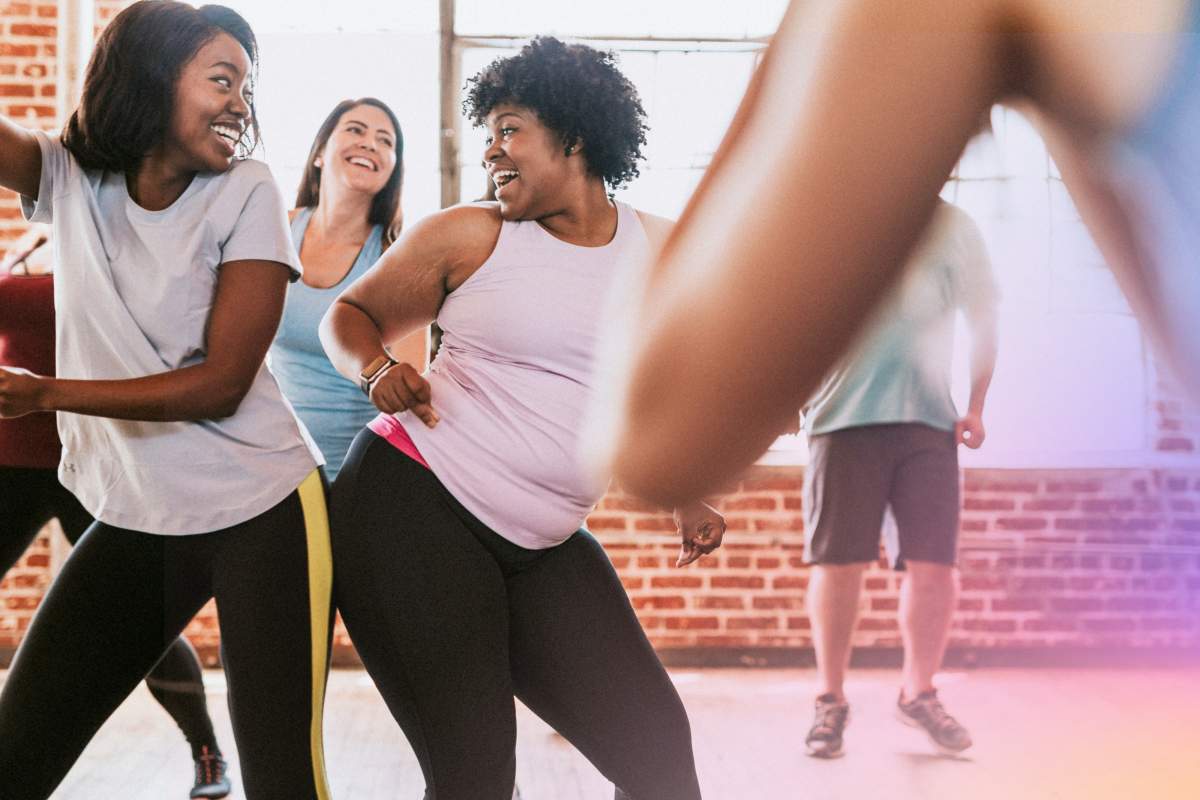
The definition of “intermediate” varies. Someone who practices weekly may reach this level in about a year, while someone dancing several times per week may progress sooner. Previous experience in ballroom, Latin dance, jazz, ballet, or other partner dances can also shorten the adjustment period.
However, earlier dance experience does not replace salsa-specific practice. Each style uses different rhythms, posture, technique, and partner signals.
Does age affect the learning timeline?
Age does not determine whether someone can learn salsa. Adults may progress at different rates because of differences in mobility, fitness, previous experience, confidence, and available practice time.
Older beginners may benefit from a slower warm-up, smaller movements, and careful attention to balance. Younger dancers may learn patterns quickly but still need time to develop musicality and partner awareness. Comfortable clothing, supportive footwear, and regular breaks can make practice more productive for nearly everyone.
In Williamsville, seasonal conditions may also affect practice habits. Cold weather, snow, and reduced daylight can make regular outdoor activity less appealing, so having enough clear indoor space for basic steps can help maintain consistency during winter months. Smooth but non-slippery flooring is preferable to surfaces that catch the feet or encourage uncontrolled sliding.
Is salsa easier to learn with a partner?
A partner can make practice more enjoyable, but having one is not required. Solo practice is useful for rhythm, footwork, posture, balance, and turns. Partner practice adds connection, timing, and communication.
Dancing with different partners can be especially valuable because each person may have a slightly different height, pace, frame, or movement style. This teaches adaptability and reduces dependence on one memorized sequence.
Beginners should not interpret a mistake as a failure by either partner. Clear, light connection and patient repetition are more productive than forcing a movement. Advanced patterns performed without shared timing are usually less successful than simple patterns performed comfortably.
What helps someone learn faster without rushing?
The fastest sustainable progress usually comes from combining instruction, repetition, musical practice, and social dancing. Helpful habits include:
- Mastering timing before adding styling
- Practicing slowly before increasing speed
- Learning both leading and following concepts
- Recording short practice sessions to observe posture
- Asking for specific feedback rather than general approval
- Repeating familiar patterns until they feel automatic
- Resting when fatigue affects balance or concentration
Rushing into complicated turns can create tension and bad habits. A steady basic step, clear weight changes, and relaxed posture provide the foundation for nearly every later skill.
For most local residents, a realistic expectation is to feel noticeably more comfortable after one month, socially functional after several months, and genuinely confident after sustained practice over a year. Salsa remains a developing skill even for experienced dancers because musical interpretation, partner connection, and personal style continue to evolve.